


Grit by Angela Duckworth
- Kelly

- Jul 24, 2020
- 4 min read
Stop wishing, start doing. This is my life motto. What is yours?
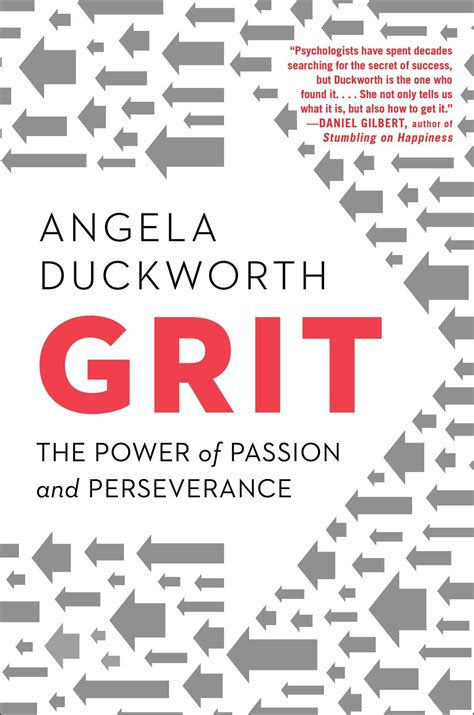
Let's rewind back to when I first stumbled upon the Grit TED talk a few years ago. I just rewatched it today, and not surprisingly, I forgot quite a bit of the speech. However, what has stuck with me to this day are the WestPoint Military and Spelling Bee examples, and that talent, in the most elite platforms, is not the root cause of success. We can build ourselves to achieve higher no matter of pre-existing talent through grit. What is grit? Grit is a combination of passion and perseverance. In the countless examples and studies described in the book, from doctors, teachers, students, famous writers, NASA astronauts, Olympic swimmers and NFL players to cartoonists - they are all paragons of grit. I will quickly summarize a few cases which I found to be powerful.
Robert Mankoff is an editor and cartoonist for the New Yorker. His first cartoon published was after getting 2000 rejection slips over 3 years. John Irving, the best-selling author of dozens of novels, scored C- in high school English and did not excel on the SAT. On top of that, he was dyslexic and required much more time to understand assignments, write papers and spell correctly. Back to WestPoint, it is not your SAT score, high school rank, leadership or even physical abilities that mattered. Those who did well and graduated from WestPoint had grit - even amongst the successful candidates that were handpicked to be the best of the best high school graduates in America, there was a difference. Now imagine what people like you and me can do with our potential.
In the book, there are several concepts that I think are of utmost importance. First, effort counts twice. Talent x effort = skill, and skill x effort = achievement. The golden point here is that once you have the skill, the effort is needed to put it in practice, so it can be productive. Second, having a goal hierarchies with only one top-level goal for a long time. The example given here is kids with long term commitments (more than two years) to extra-curricular activities saw more success than those who only took part in one term or one year. This made a lot of sense to me, as we are all forced to stick with math and science for all of grade school, and not everyone's passion lies with solving equations. A better indicator of grit is finding your interest and seeing how you progress with it. Do you join the school's choir or track team only for one season or throughout high school? And if you did, how much did you improve? I find more and more as I'm maturing that this matters. For example, I love running and literature. On the literature side, I have challenged myself to read all genres and write blog posts to turn my reading into something productive. I have also been reading and writing business cases and financial articles to help in my MBA journey. Reading this post over again, I'm certainly not talented in English literature, but I'm putting in the effort and sticking with it and seeing results as my writing improves and soon I can walk across the stage to get my MBA. However, for running, I've not put in the effort and seen results even though I was in cross country for 4 years in grade school. I've shown up day in and day out, but have slacked off in the next step to achieving the top-level goal of running a marathon.

Now, how do we find grit and refine it? The book talks about four areas: interset, practice, purpose and hope. To summarize, first, experiment, especially at a young age, to find your interests. Now, deliberately practice and filter those passions into one or two that you have a drive for. And of course, never give up or lose hope. In relation, the last part discusses parenting, playing fields and culture of grit. As adults or mentors, it is important to be supportive and demanding at the same time. Being Asian myself, my parents certainly demonstrated both, thankfully in extracurriculars, but unfortunately not in school or career. Their need for stability in a job as a means to earn money and pay rent does not fit well in fostering grit. In practice, I learned that success comes from embracing failures and experiencing the adrenaline of seeing your self-improvement, no matter how small. Purpose and hope for me come hand in hand. Believe in the unknown. In yourself. Have a growth mindset powered by optimistic self-talk and persevere through adversity. Find the culture and community of people who share the same interest and positivity. Schools do this fairly well, but corporations I find need seniors to lead by example, and come to the ground level and talk to employees. My thought is if I'm a CEO, it would be more productive to find the right fit, train and nurture employees so they can lead the company. The young analyst or senior manager or janitor all have interests. It would be a win-win if they can pivot to that while also finding someone more passionate about the role.

In the book's conclusion, it is mentioned that grit is not everything. Both goodness (morals, EQ, kindness, honesty, loyalty) and greatness (IQ, curiosity, zest, adaptability) are essential. And of course, the world is not a fair stage. Predispositioned benefits and disadvantages are evident everywhere. But if you are able to watch YouTube, read the book, blog posts, scroll on social media, then there are already so many doors waiting to be knocked. We are fortunate to have so many opportunities to be gritty, so it is up to us to get up and act now. As one of my personal heroines says, if you never try, you will never know.
Cheers,
Kelly


Comments